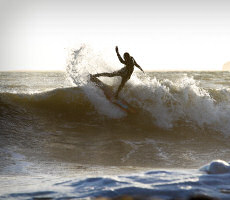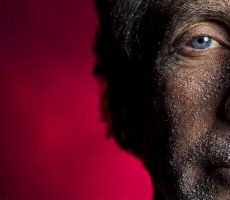
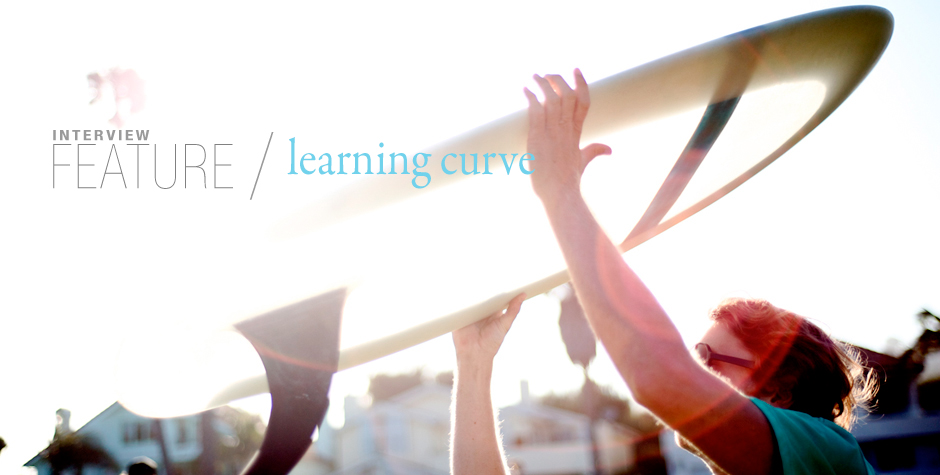
Matt Rohrer shares some of the highlights of his conversations with Bay Area surfer Jimmy Holt, focal point of one of the few surfing photos to ever appear in National Geographic Magazine. Selected photos: Jim Shaw

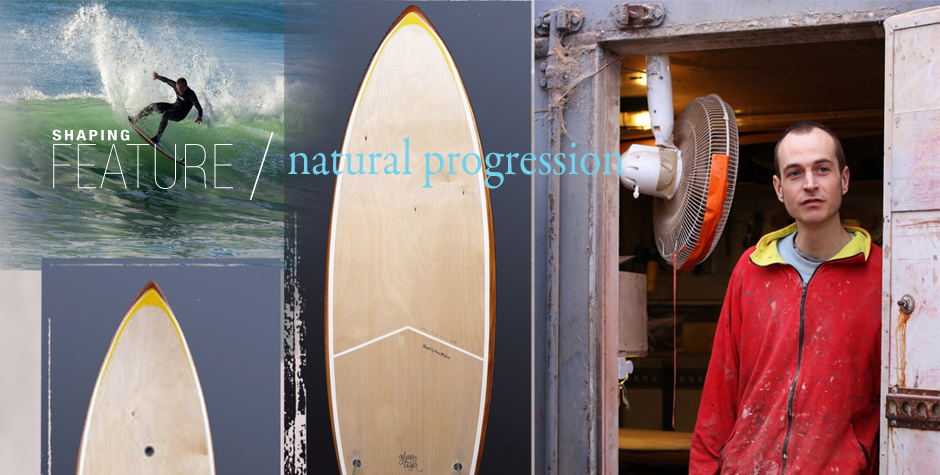
Hidden away in a Falmouth boatyard among the classic lines of traditional timber ships is an unusual surfboard factory: one in which the boards are finished with wood and natural oils. Here tradition meets modernism. This is Glass Tiger. Words: Mark Sankey Action photos: Kirstin Prisk Other photos & design: Alexa Poppe

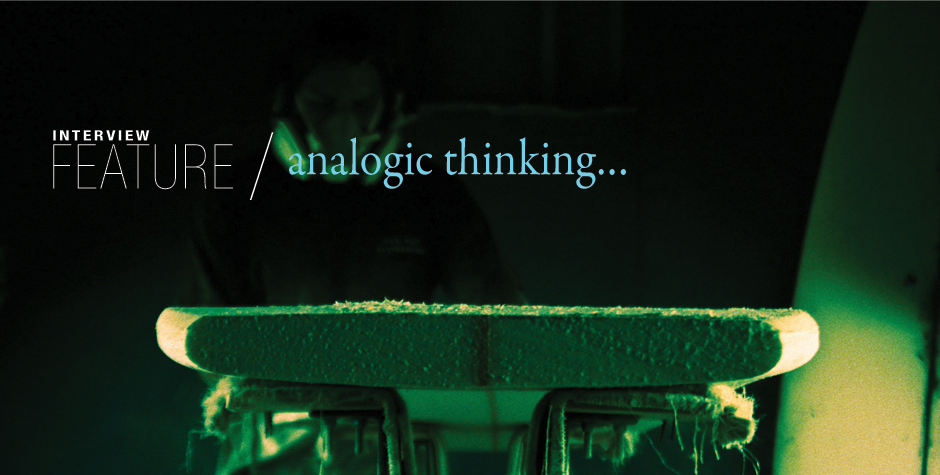
...in the age of the programmable hand. San Diego's Josh Hall explains why he has chosen to tread the well-worn path of hand-shaping, in conversation with Andy Smith. Photos: Garrett Highhouse, T. Colla, Ryan Tatar

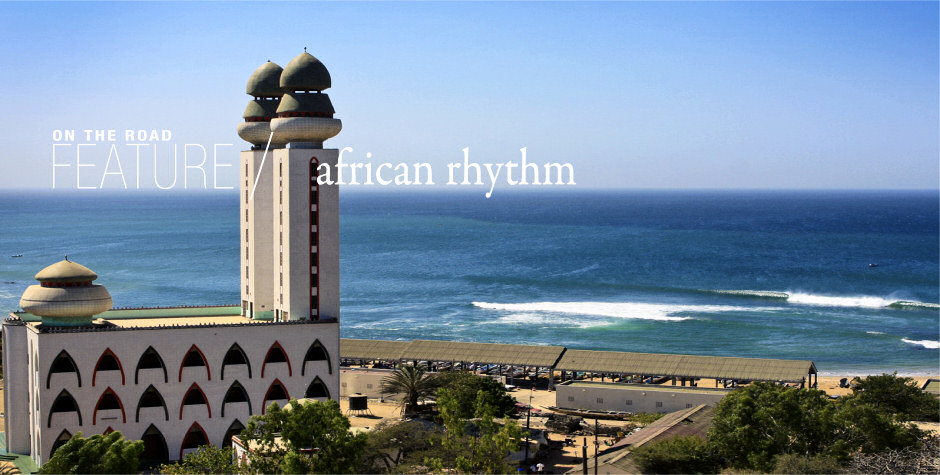
In Senegal the deserts of North Africa meet the jungles of the tropics. It's an open–minded Islamic country of many cultural experiences and idiosyncrasies; it's also one of the safest and democratic countries in Africa. And of course there's the surf... Words: Mark Sankey Photos: Alexa Poppe

"I'm not interested in formulae when it comes to surfing and art." Ryan Lovelace talks to Chris Preston about trusting your eyes, hands, and feet, and adding another leaf to the weird-hull-alternative-vibe-tree. Photos: Morgan Maasen, Brandon DiPierri & Ryan Lovelace

The Mentawais have given a lot to surfers; now it's time to give something back. Kate and Luke Gerson celebrate the beauty of these islands and highlight the continued need for aid following the recent earthquake.


Marine debris typeface

April 08, 2014 | Words By:

wherrytown The Marine Debris Typeface project is a study of found local vernacular letterforms and is part of an ongoing investigation info Type and Place.


Marine Debris Typeface from Dion Star on Vimeo.

An attempt to subvert the relationship between production and waste, with the creation of a working font through the chance discovery of marine litter.

The found type highlights the need to design out waste and calls for design to play a more integral role in the circular economy. The twenty six letters work not only as a graphic notation of language, but also as a comment on the environmental challenge of disposable manufacturing.
_

Create some rules and see where it goes…

How many pieces of Marine Debris will I need to pick up on Wherrytown Beach before I find the 26 letters of the alphabet?

Methodology:

• Pick up any piece of Marine Debris that is smaller than an A4 sheet of paper. (No bottles, cans, plastic bags, crisp packets or chocolate wrappers).
• No manipulation of the objects.
• Stop collecting when I have all 26 letters.
• Document all that I find.

More here: dionstar.co.uk/Marine-Debris-Typeface


Comment


Advertise here