

Where have all the fish gone?
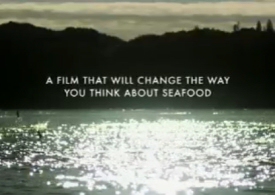 A question touted around by the makers of an alarming but very open film about how we have decimated certain fish stocks throughout the globe. Awkward questions are asked, and not many answers given. A must see if you are an ocean lover.
This film was sent to us by The Fish Film Company, and documents the findings of a book by Charles Clover, the Environment Editor of the Daily Telegraph.
In the film we see how fishing companies have depleted fish stocks to a point where recovery is impossible. In particular the film follows the fate of the Blue Fin tuna, but also highlights the plight of the Atlantic cod, a species fished to just ten per cent of its global numbers in recent years.
The film focusses on the lack of awareness amongst the public, and why there is a lack of political will to change the fishing methods throughout the globe. The film asks some very awkward questions of offenders, and shows why it is effectively easy to fish a species to death.
Central to the theme of the film is the idea that as a result of climate change, one of the biggest challenges we face is the ability to feed ourselves. The film reminds us that if we had not fished the oceans to the brink, we would be able to count on fish stocks as a sustainable method of food production in the future. The film highlights how international companies can often buy fishing rights in developing countries, leaving the local population unable to fish for themselves or their families.
It’s an enlightening, if depressing, insight into the worlds fishing industry.





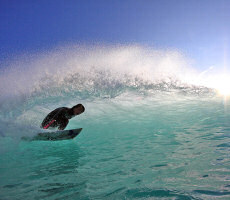




Less fish = less chance of shark attacks on surfers!
1