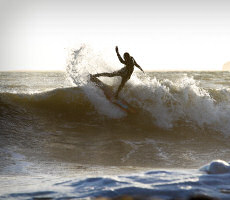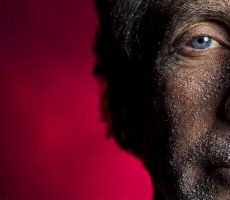
Matt Rohrer shares some of the highlights of his conversations with Bay Area surfer Jimmy Holt, focal point of one of the few surfing photos to ever appear in National Geographic Magazine. Selected photos: Jim Shaw

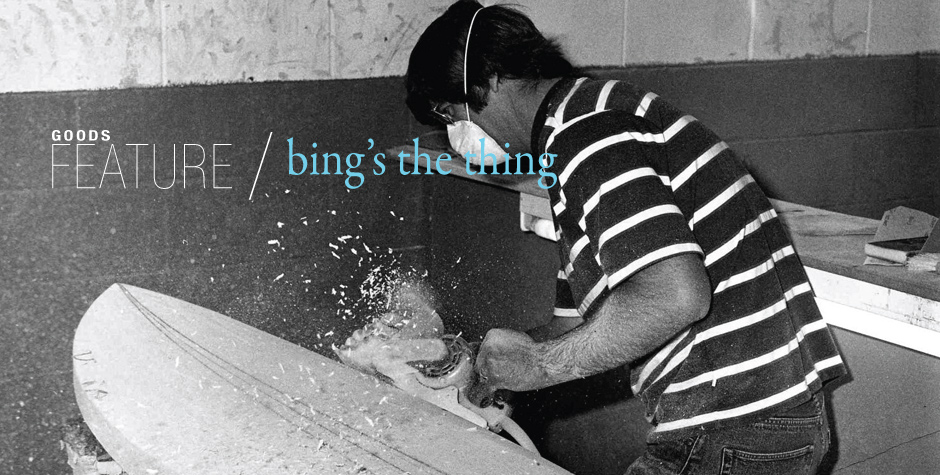
Bing Copeland was a pioneer of the modern surf industry. In his excellent new retrospective, ‘Bing Surfboards – Fifty Years of Craftsmanship and Innovation’, Paul Holmes discovered what makes Bing tick. Words: Bing Copeland & Paul Holmes Photos: Courtesy of Bing Copeland

Tucked away at the top of a hill near Gwenver beach in Cornwall, Skewjacks was the definitive 1970s surf camp. Drift took four of its founding fathers - Dicky, Harvey, Jamo and Mickey - to the pub and reminisced about good times gone by. Words: Jamie Bott Credit & thanks to Graham Shephard & Mel Sedgwick

Al Knost is one of the best sliders around and has a close connection with a scene far removed from the modern marketplace hustle. Ryan Tatar tracked him down with his project partner Tyler Manson and gave us an insight into their freshest work. Words: Ryan Tatar Photos: Jamie Bott & Tyler Manson

Tyler Warren's star is burning bright; his images feature prominently in magazines and his name's on everyone's lips right now, yet he pilots a steady course through the hype. Words: Chris Preston Photos: Kyle MacLennan

Chris Burkard's photographs are about more than barrels, perfect point breaks, and carving radical lines – they capture a moment in which the surfer is a mere player and the real star is the scenery. Words: Dan Hamlin Photos: Chris Burkard


Chilca’s “new wave”

July 31, 2009 | Words By:

new-wave-at-chilcaThere was a big turnout last Saturday at a break in Chilca for a bodyboard competition billed as part of one global circuit or another.

The merchandising and blaring music and TV crews were a turn off, but the trip out was worth it because, supposedly, it’s a “newly discovered break”. Hard to get to and you basically need a four-wheel drive or a horse to get out to the break once you make it past miles of huge ovens where they cook bricks from dirt dug up from old seafloor. Apparently Peru’s military controls the hills behind the break, so for years people weren’t allowed in.
It’s a big, heavy wave, very fast, with a thick lip and Saturday, so far as I could tell, it couldn’t be surfed. The body boarders often were stuck in the foam as soon as they dropped in and couldn’t get over to a face that folded over quickly. Maybe on a smaller day. It looks and behaves like a beach break, but I think there is a reef near the shoreline that causes it to jack up quickly. There is a big slab of rock that sits in front of the break, and I couldn’t tell if it was part of a bigger mass extending into the water.


Comment


Advertise here